
Your Life Belongs to You
When you grow up without enough emotional safety, you may learn to build your life around other people’s needs, moods, and approval. This post explores how self-abandonment takes root—and what becomes possible when you begin reclaiming your right to choose, rest, desire, and build a life that feels like your own.
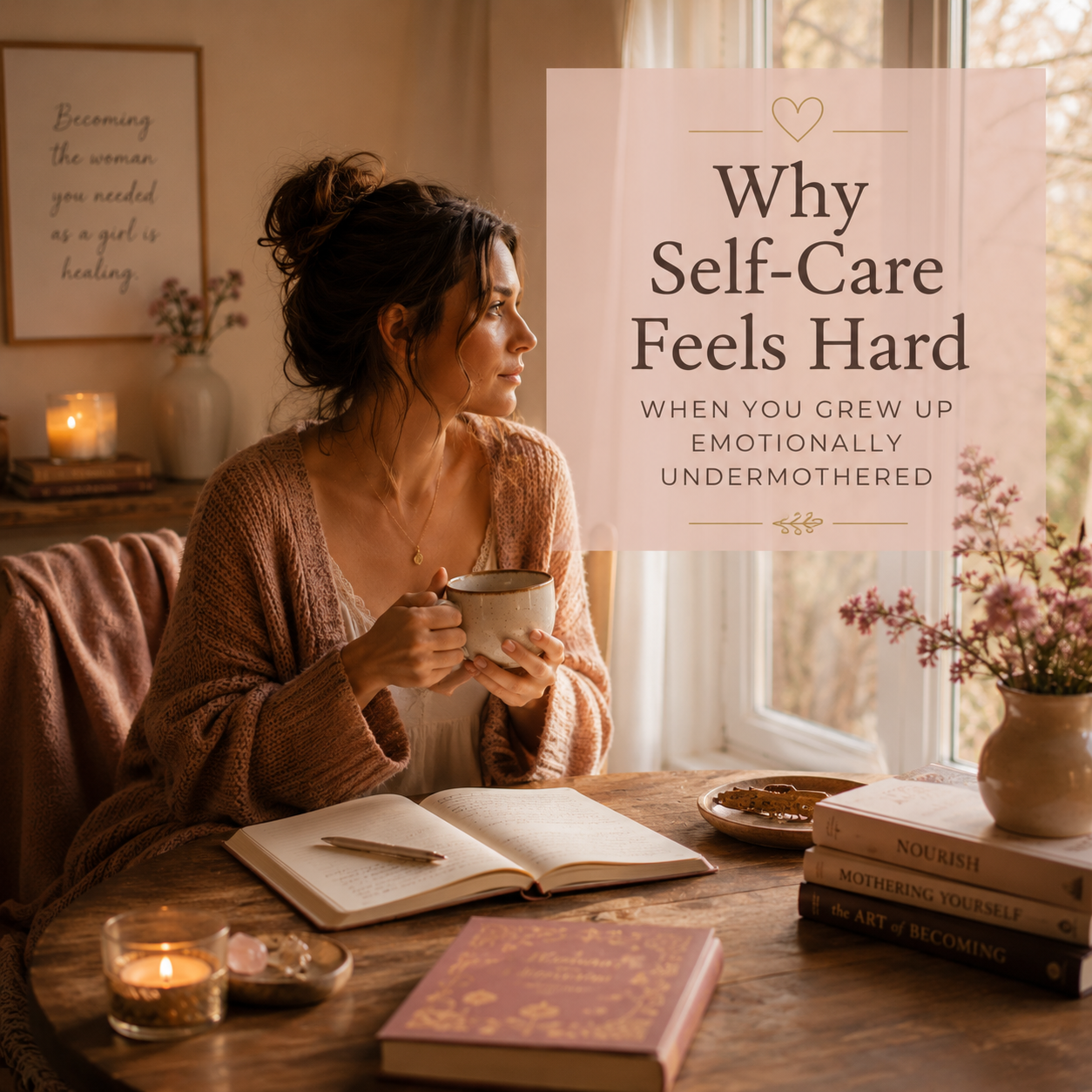
Why Self-Care Feels Hard When You Grew Up Emotionally Undermothered
Self-care can feel surprisingly difficult when you grew up emotionally undermothered. It may not be as simple as taking a bath, lighting a candle, or building better habits — especially if your nervous system learned to prioritize others, suppress your needs, or distrust support.
This post explores why self-care can feel unfamiliar, uncomfortable, or even unsafe when you were never given a steady template for care — and how healing begins by learning to nurture, protect, and return to yourself with compassion.
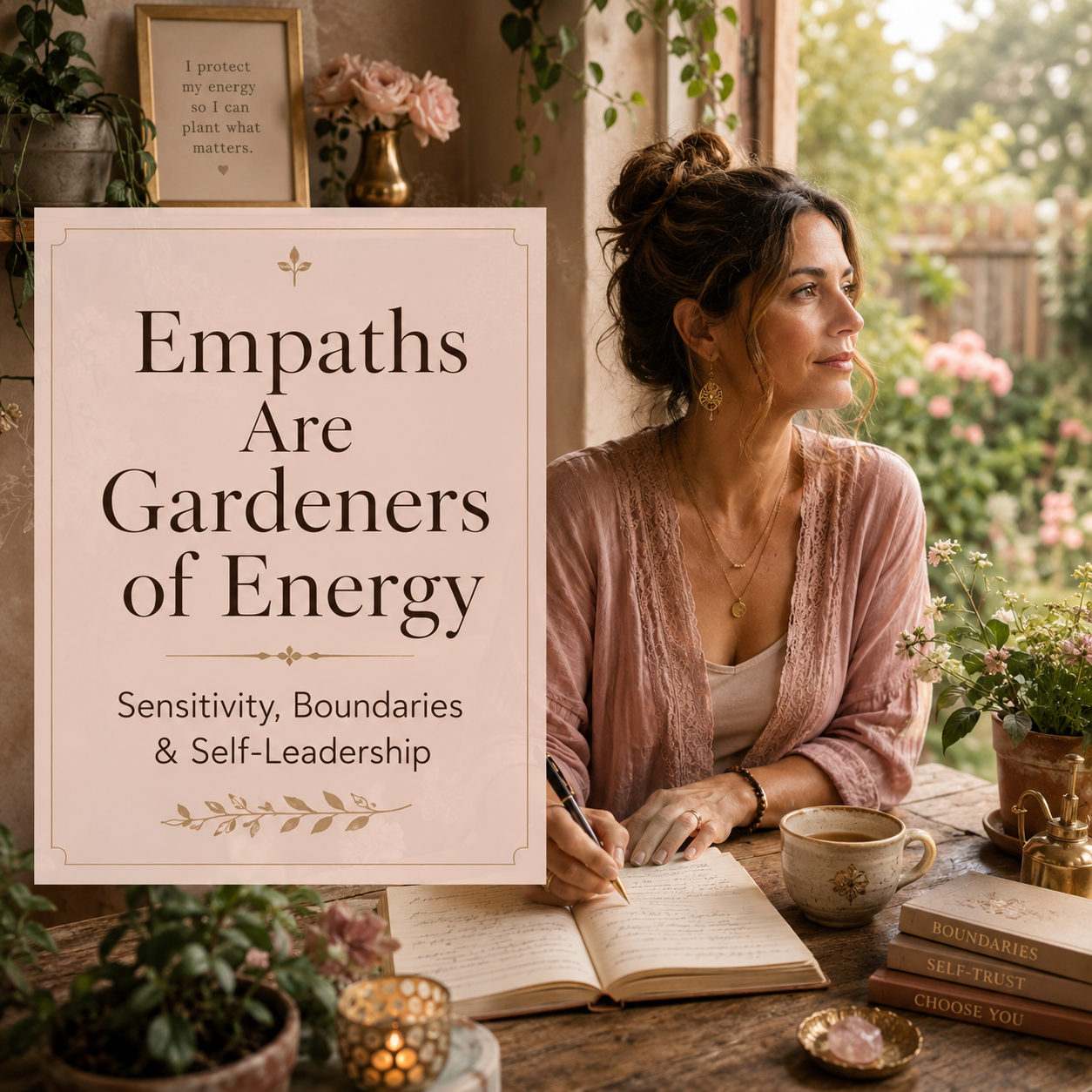
Empaths Are Gardeners of Energy | Sensitivity, Boundaries & Self-Leadership
Empaths are often deeply attuned to the emotional world around them—but that sensitivity can become exhausting when it was shaped by the need to monitor, soothe, or manage others.
This post explores how empathy can begin as an intelligent survival strategy, why it can lead to self-abandonment and blurred boundaries, and how to bring your sensitivity home through self-attunement, discernment, and inner leadership.
You do not need to become less sensitive. You may simply be ready to become the steward of your own energy.
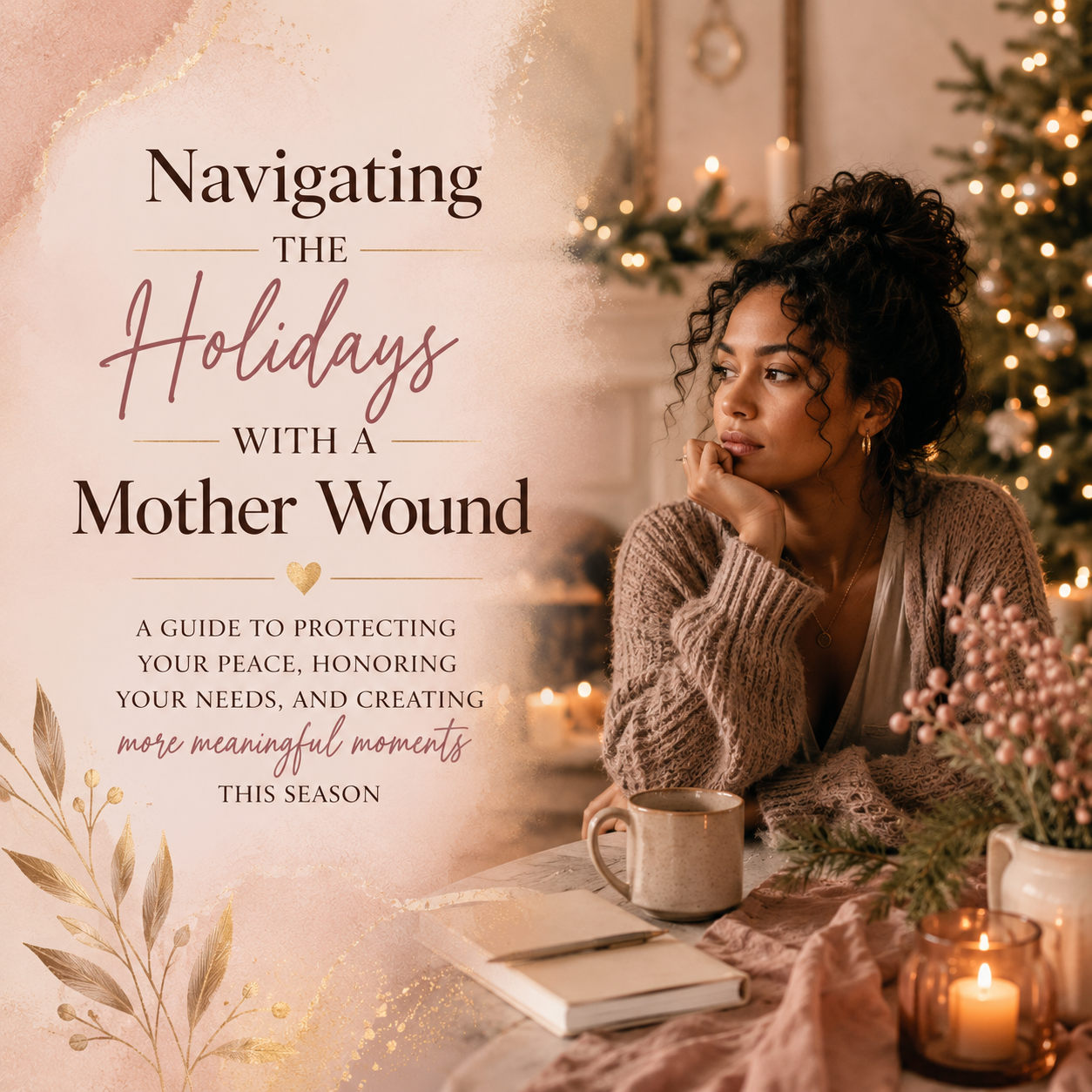
Navigating the Holidays with a Mother Wound
The holidays can stir up grief, pressure, old family roles, and the longing for the warmth you may not have received growing up.
This post offers gentle support for women navigating the season with a Mother Wound—from understanding common triggers and emotional eating patterns to creating boundaries, grounding your nervous system, and honouring your own pace.
You do not need to abandon yourself to get through December. You get to create a holiday season that feels more spacious, honest, and truly yours.
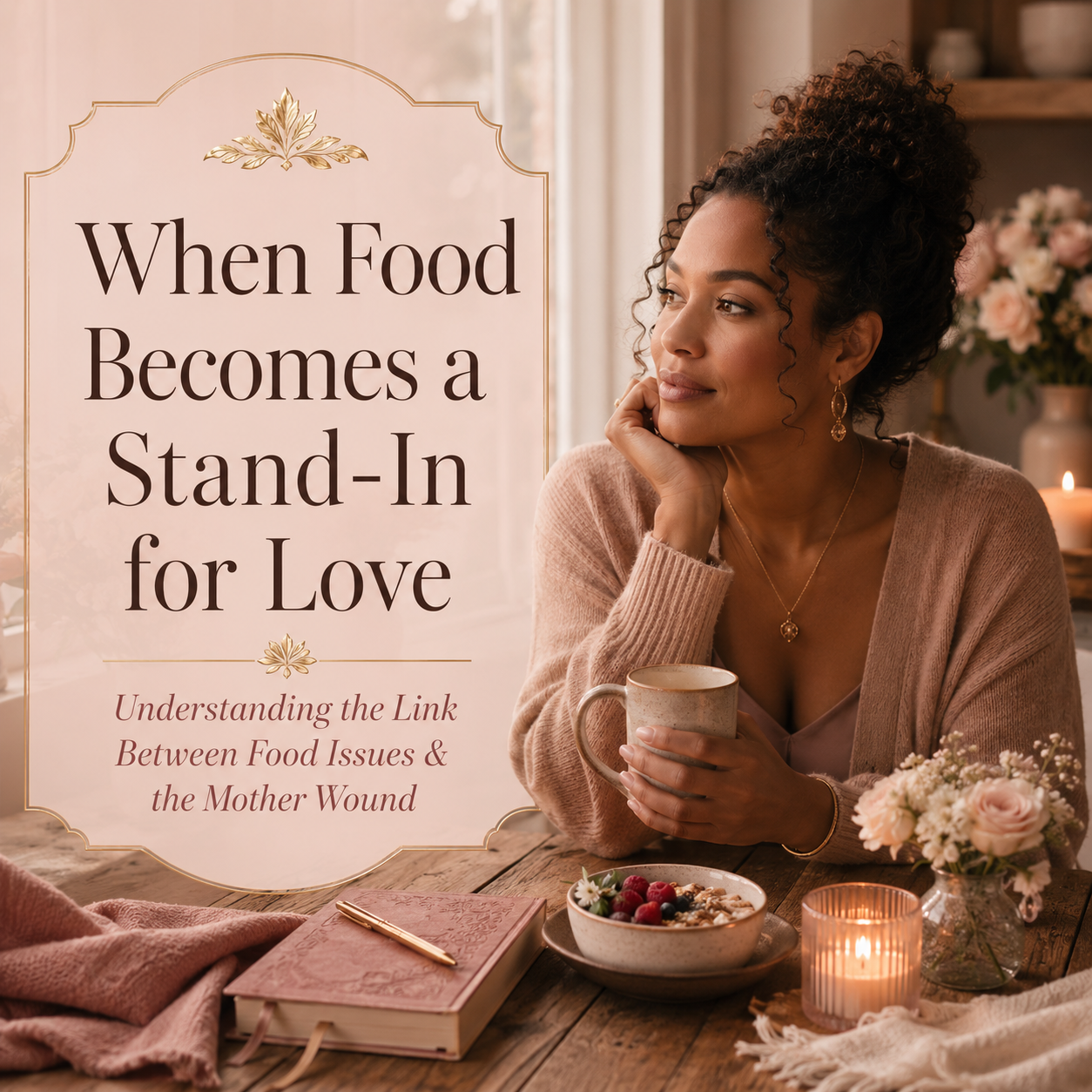
When Food Becomes a Stand-In for Love: Understanding the Link Between Food Issues and the Mother Wound
So many women silently battle with food — the bingeing, the restriction, the cravings that feel impossible to control. But the truth is, these patterns have little to do with willpower and everything to do with the Mother Wound. Our earliest experience of love was food: milk, warmth, touch, safety. When that early nurturance was inconsistent or unavailable, our nervous system learned to seek comfort from food in ways people couldn’t provide. This heartfelt exploration reveals why food issues are not personal failings, but survival patterns — and how healing the Mother Wound allows our relationship with food to finally soften, balance, and return to nourishment.
Why Healing the Mother Wound Doesn’t Come From Getting an Apology
Many women believe healing the Mother Wound begins when their mother apologizes — but true healing doesn’t come from being acknowledged. It comes from reclaiming your voice, safety, and self-worth after a lifetime of self-abandonment. Learn why real repair begins within.
How the Mother Wound Shapes Our Boundaries
When love once felt conditional, boundaries can feel selfish, risky, or even dangerous.
This post explores how the Mother Wound can shape people-pleasing, over-giving, burnout, emotional merging, and the fear of disappointing others. It also offers a gentler path forward: learning to listen inwardly, protect your energy, and build the self-trust needed to honour your limits.
Boundaries are not rejection. They are an act of devotion to your well-being.
What is a Mother Wound?
The Mother Wound is the pain we carry when our emotional needs weren’t fully met in childhood. It can quietly shape how we see ourselves and how we show up in relationships as adults. In this post, I share what the Mother Wound is, why it matters, and how understanding it is the first step toward healing.